GO TO TOP CONTACT US

Liquor Production Inspection
Application of Thermal Imaging in Liquor Production Process

Application of Koji Fermentation in Koji Making Workshop & Temperature Measurement and Fire Prevention in Koji Room

[Application Background]


The baijiu production process includes: raw material processing – koji making – fermentation in cellars – distillation in retorts – secondary fermentation – aging – blending – and packaging. While different flavor profiles require different brewing techniques, they often require multiple fermentations and distillations to achieve a full-bodied, aromatic liquor.


The koji is the backbone of liquor and a crucial factor in determining its flavor. Its quality is positively correlated with its quality rating. Therefore, it’s crucial to monitor the temperature of the koji and the surrounding environment during koji making and storage.


During koji fermentation and storage, the fermentation of the koji releases heat. Existing wireless temperature and humidity probe monitoring solutions often have shortcomings:


① When the temperature accumulates to a certain level, smoldering fires are likely to occur. Furthermore, the flammable nature of koji can easily lead to fires, casualties, and property damage.


② Enterprise research into koji making is crucial to baijiu brewing. Excellent koji making techniques ensure the stability and reliability of baijiu quality. Through scientific research, companies can optimize the koji-making process, capture more beneficial microorganisms, and improve the quality of the koji, thereby enhancing the flavor and quality of the final product.

[Pain Points]


Existing wireless temperature and humidity probe monitoring solutions often have gaps, making it difficult to visually detect the temperature of the koji (drinking yeast).


[Thermal Imaging Applications]


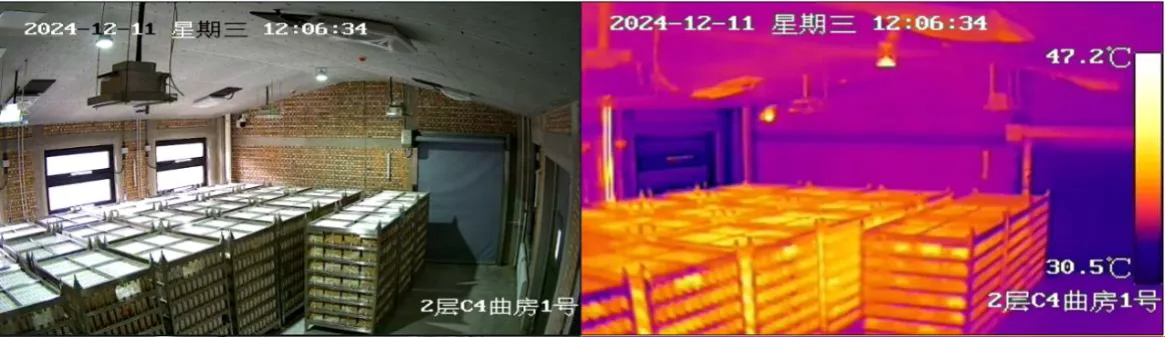
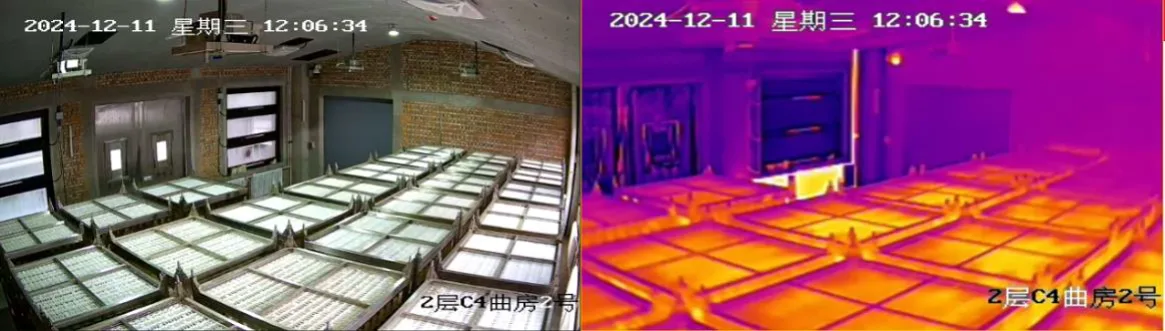
1. Technical Route: Using online thermal imaging temperature measurement equipment, real-time, visual temperature monitoring is performed on the fermentation and storage stages of the koji in the koji-making workshop. This addresses the gaps caused by the point-by-point temperature measurement method of traditional temperature probes and enables comprehensive temperature measurement and fire prevention for the koji in the koji room.


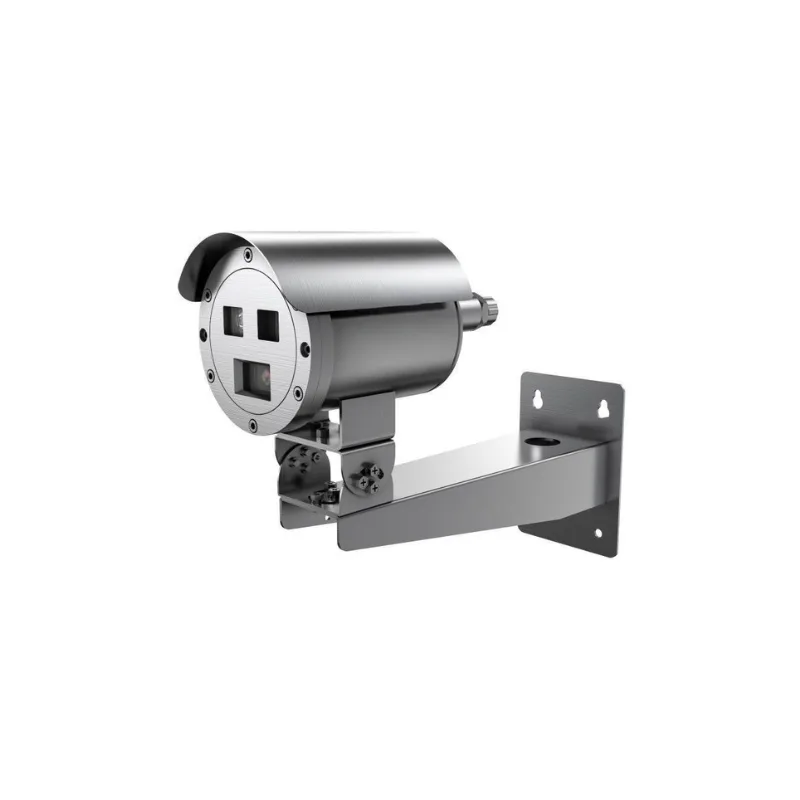
2. Recommended Products: Thermal imaging explosion-proof cylinder camera (stainless steel housing, resistant to microbial corrosion) and temperature bulb camera.


3. User Benefit: Thermal imaging enables visual temperature measurement, covering the entire koji room for intelligent temperature analysis. Immediate alarms are generated when the koji temperature exceeds a set threshold or smoke or fire is generated.

Application of Steamer Inspection in Brewing Workshop

[Application Background]


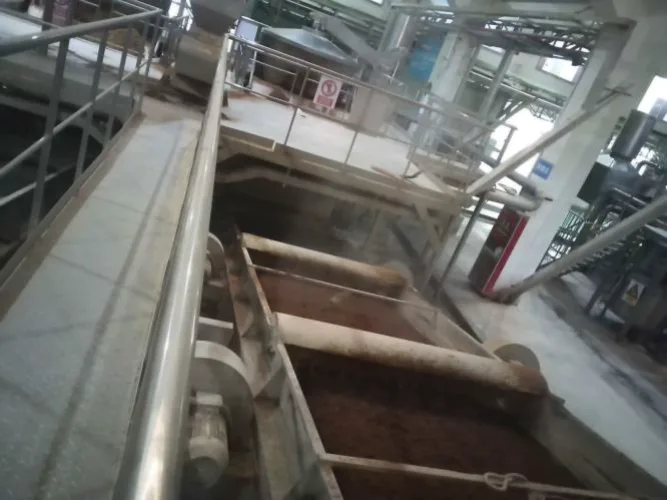
The baijiu production process includes: raw material processing – koji making – fermentation in cellars – distillation in retorts – secondary fermentation – aging – blending – and packaging. Retorts are a core process for distilling raw liquor, spreading the fermented mash evenly into retorts for distillation. This crucial step directly impacts the quality and yield of baijiu.

Traditional Manual Steaming

Workers are required to repeatedly add materials to the pot with a shovel. Since the winery needs to produce a large number of steamer pots every day, labor costs are high. The repetitive mechanical labor intensity is high, resulting in low manual production efficiency. Furthermore, the working space is small, and there is a risk of burns from high-temperature steam.
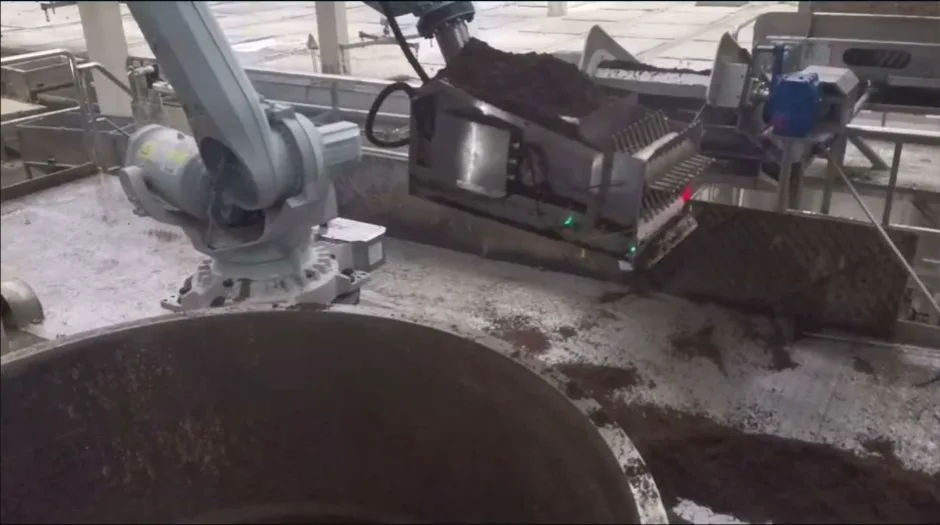
Robot Steaming

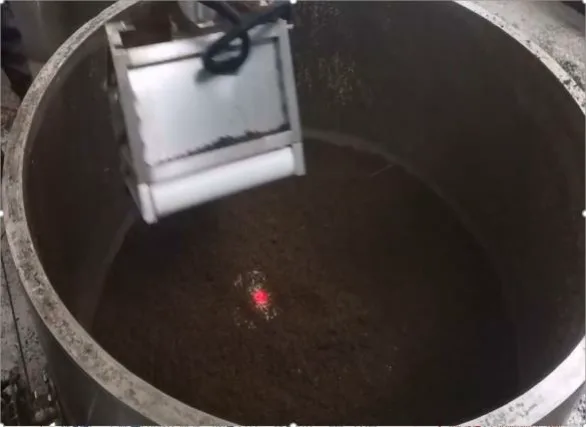
With the development of automation technology, more and more distilleries are using robots to load the mash. However, robots struggle to achieve a smooth and even mash, often requiring constant manual adjustment. Furthermore, it's difficult to detect steam leaks during the distillation process, resulting in reduced yield.
[Pain Points]


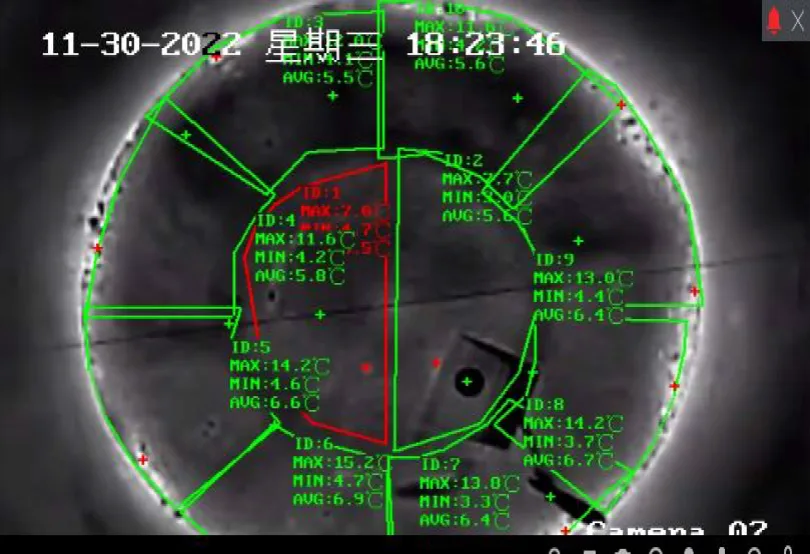
Traditional manual steaming is gradually being replaced by robotic steaming. However, the level of robotic steaming technology varies widely, failing to guarantee high-quality and high-yield baijiu. Manual adjustments are still required, preventing the realization of unmanned, automated, and efficient production.

[Thermal Imaging Applications]


1. Technical Route:

① To ensure wine quality, the upper steamer must be light, loose, uniform, thin, and flat. This can be achieved by monitoring the temperature consistency of the mash and adding material to areas with higher temperatures.


② To ensure wine yield, the upper-lid distillation process requires controlling the heating temperature and pressure of the steamer to minimize the escape of wine vapor from the lid. This requires detecting temperature fluctuations caused by wine vapor leakage.

2. Product recommendation:

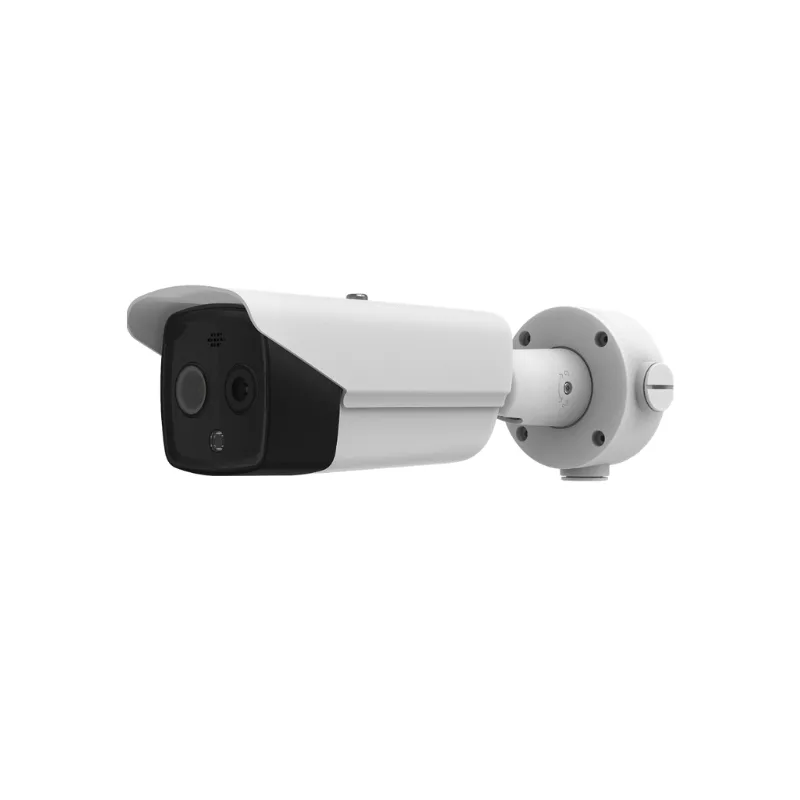
Thermal imaging dual-spectrum explosion-proof cylinder machine, stainless steel shell, no fear of microbial corrosion.

3. User Benefits:


① Visual real-time temperature measurement and intelligent analysis ensure quality. Supporting multiple temperature measurement rules, including point, line, and frame, the system can analyze temperature consistency differences within each retort pot. Based on temperature differences, the system accurately determines whether the mash is level and evenly distributed, ensuring the quality of the retort during brewing.


② Eliminates the need for on-site retorting, reducing worker risks. Retorting involves hazardous materials such as high-temperature gases, which previously required careful attention to prevent burns. Remote intelligent judgment now controls the robotic arm for leveling, eliminating on-site labor and minimizing worker risks.


[Application Cases]
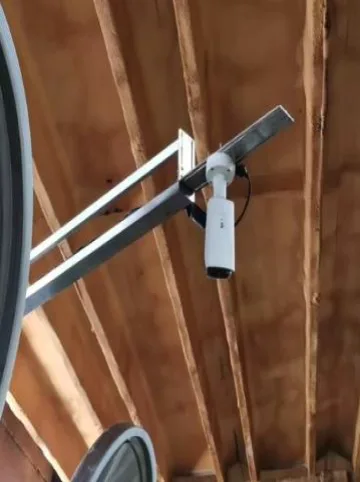
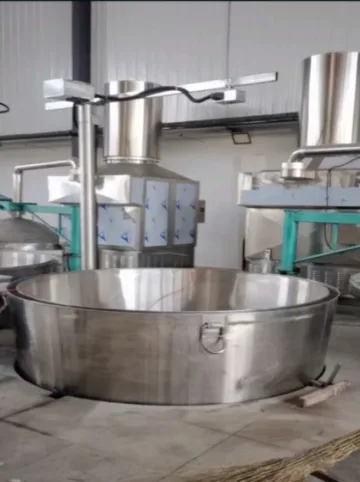
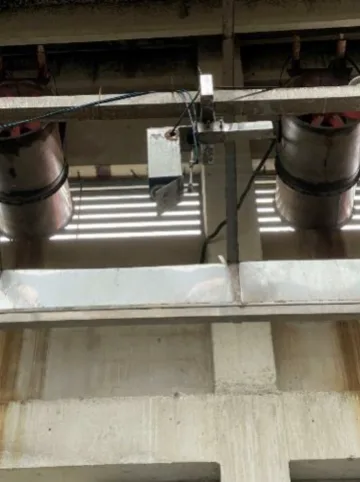
A Sichuan wine company's steamer inspection project, temperature measuring cylinder machine
A Shandong wine company's steamer inspection project, temperature measurement hemisphere
A pre-installation project of a steamer robot in Hubei, a card machine

Application of Temperature Measurement in the Drying of Materials in the Winemaking Workshop

[Application Background]


The baijiu production process includes: raw material processing – koji making – fermentation in cellars – distillation in the upper steamer – secondary fermentation – aging – blending – and packaging. While different flavor profiles require different brewing techniques, they all typically require multiple fermentations and distillations to achieve a full-bodied, aromatic liquor.


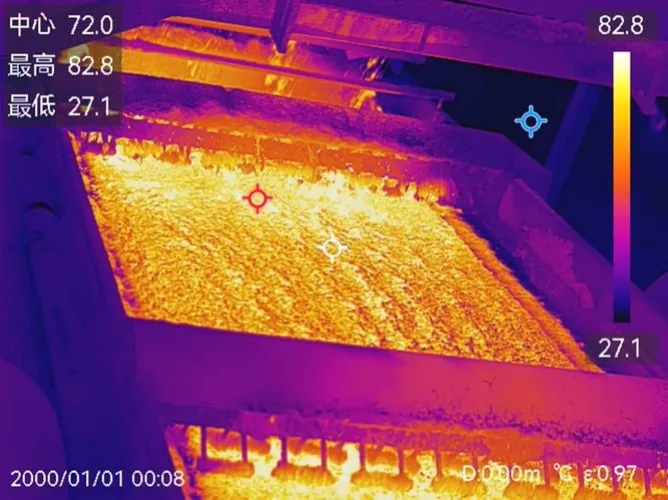
The airing process is a step after the upper steamer distillation and before the secondary fermentation. It aims to cool the mash. (After distillation, the mash temperature reaches over 80°C. To prevent the koji added during the secondary fermentation from surviving due to excessive temperatures, the mash needs to be spread out and aired. Once cooled to below 30°C, koji addition and secondary fermentation can begin.)

[Pain Points]


The current solution uses inserted thermocouples in the material laying belt to measure temperature. Some distilleries also manually perform a secondary temperature measurement with thermocouples at the rear end of the belt to confirm the temperature. This prevents unmanned automated production. Furthermore, thermocouples are point-based temperature measurement, which can lead to missed detection in high-temperature areas. This results in low production efficiency and difficulty ensuring liquor quality.

[Thermal Imaging Applications]


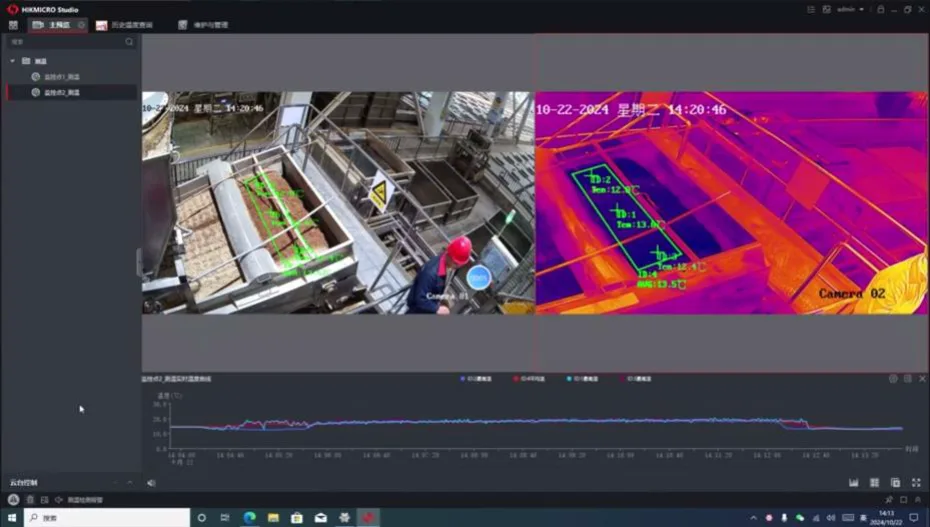
1. Technical Route: Thermal imaging cameras are installed at the front and back ends of the production line to monitor the mash temperature in real time. Temperature thresholds are set, and when the temperature drops to the appropriate range, the equipment automatically adds koji.


2. Product Recommendations:

① Thermal Imaging Dual-Spectrum Flameproof Cylinder Machine, stainless steel housing, resistant to microbial corrosion—suitable for applications with strong microbial corrosion.


②384/640 dual spectrum temperature measuring cylinder machine – suitable for use in conventional scenarios without anti-corrosion requirements

3. User value: Thermal imaging enables visual temperature measurement, covering the entire mash drying area, and intelligent temperature analysis. When the temperature drops to the threshold, the production line’s koji addition process is completed through the device’s 485 interface.

Temperature measurement results of materials spread out for drying at a winery in Shaanxi
*Fine-Lens currently offers infrared thermal imaging products such as thermal imagers, thermometers, compact cameras, and related lenses. If you have any questions, please contact our official customer service for product information.